
Looking to power your projects efficiently? Electric motors are essential for countless applications, from household appliances to industrial machinery. In this guide, you’ll discover the key types, benefits, and applications of electric motors, helping you make informed purchasing decisions. Let’s explore how these innovative machines can enhance your operations!
What is an Electric Motor?
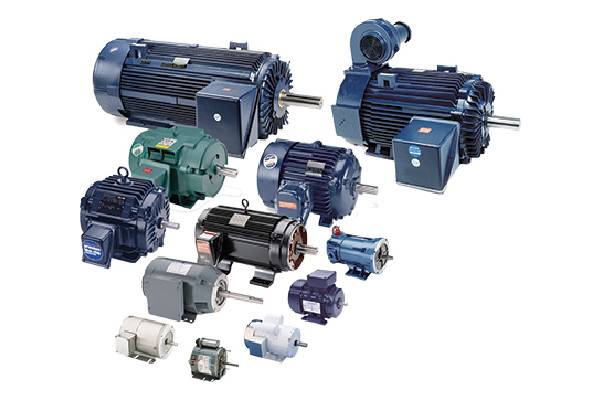
An electric motor is a versatile machine that transforms electrical energy into mechanical energy, enabling a wide array of applications, from household appliances to industrial machinery. By utilizing the principles of electromagnetism, electric motors create motion through the interaction of magnetic fields and electric currents.
Types of Electric Motors
Electric motors are available in various types, each suited for specific applications:
- DC Motors (Direct Current Motors):
Powered by direct current, these motors produce torque to rotate the rotor. Speed can be easily controlled by adjusting voltage or resistance. Applications: Used in toys, electric vehicles, and small appliances. - AC Motors (Alternating Current Motors):
This category includes induction motors (squirrel cage and wound rotor) and synchronous motors. Induction motors create rotor magnetic fields from the stator’s rotating field, while synchronous motors run in sync with it. Applications: Found in industrial fans, pumps, and conveyor systems. - Stepper Motors:
Convert electrical pulses into precise angular movements, ideal for applications needing accurate rotation control. Applications: Common in 3D printers, CNC machines, and robotics. - Servo Motors:
Known for high precision, these motors convert input signals into exact mechanical movement. Applications: Used in robotics, conveyor systems, and CNC machinery. - Brushless DC Motors (BLDC Motors):
Operate without brushes, using electronic switching for efficiency and low noise. Applications: Found in electric vehicles, drones, and HVAC systems. - Permanent Magnet Motors:
Use permanent magnets for their magnetic field, operating efficiently without extra energy. Applications: Ideal for household appliances and renewable energy systems like wind turbines.
When choosing an electric motor, consider power, speed, torque, precision, and cost to ensure optimal performance in your project.
Understanding Electric Motors: How They Work
Electric motors are fascinating devices that transform electrical energy into mechanical motion, and they come in various types, each suited for different needs. Here’s a simple breakdown of how some common motors work:
- DC Motors (Direct Current Motors):
These motors generate torque through a magnetic field created by permanent magnets or coils. They use brushes and a commutator to manage current flow, allowing for smooth and adjustable speeds. Perfect for: Toys, electric vehicles, and household appliances. - AC Induction Motors:
Powered by alternating current, these motors create a rotating magnetic field that induces current in the rotor. This process results in efficient and reliable rotation, making them great for heavy-duty tasks. Ideal for: Industrial fans, pumps, and conveyor systems. - Stepper Motors:
Stepper motors take precise steps in response to electrical pulses, making them perfect for applications where accurate positioning is key. Commonly used in: 3D printers, CNC machines, and robotic systems. - Brushless DC Motors (BLDC Motors):
These advanced motors eliminate brushes and use electronic controls for high efficiency and low noise. They are durable and have a long lifespan. Great for: Electric bikes, drones, and HVAC systems. - Permanent Magnet Synchronous Motors (PMSMs):
Using permanent magnets for a strong and consistent magnetic field, these motors provide excellent efficiency and performance. Best suited for: Household appliances and renewable energy solutions.
Understanding these types of motors can help you choose the right one for your needs. Whether you’re looking for energy efficiency, precise control, or reliability, there’s an electric motor that fits your requirements perfectly!
Applications of Electric Motors
Electric motors play a crucial role in our daily lives, powering a wide array of devices and systems:
- Household Appliances:
Electric motors drive washing machines, refrigerators, and air conditioners, enhancing convenience and energy efficiency. - Transportation:
In electric vehicles (EVs) and scooters, electric motors provide eco-friendly alternatives that reduce emissions and promote sustainable mobility. - Industrial Equipment:
Electric motors are essential in conveyors, pumps, and robotics, streamlining operations and boosting productivity in manufacturing and logistics. - Consumer Electronics:
These motors enhance functionality in power tools, fans, and computer peripherals, delivering reliability and performance for home improvement and everyday tasks.
Overall, electric motors are vital in various sectors, contributing to innovation and sustainability across industries.
Benefits of Electric Motors
Electric motors are favored for their efficiency, reliability, and low operating costs. They offer precise control over speed and torque, making them perfect for diverse applications, from household appliances like refrigerators to industrial machinery in factories.
These motors are also environmentally friendly. When powered by renewable energy sources, they help reduce greenhouse gas emissions, making them a key component in sustainable solutions like electric vehicles. Additionally, electric motors require minimal maintenance, leading to lower long-term costs. Their quiet operation and compact design make them ideal for urban settings, such as electric bikes and scooters.
In summary, electric motors combine efficiency, sustainability, and versatility, making them an excellent choice for both consumers and businesses.
Essential Electric Motor Maintenance and Troubleshooting Guide
Maintaining and troubleshooting electric motors is crucial for ensuring optimal performance and extending their lifespan. Here are some effective maintenance and troubleshooting methods:
Routine Maintenance
Regularly clean the exterior of the motor to remove dust and oil buildup. Check for loose or burned wiring connections, tighten all screws, and ensure that drive components like pulleys or couplings are securely installed and undamaged. Additionally, clean and inspect the starting devices for optimal operation.
Bearing Inspection and Maintenance
After a period of use, bearings should be cleaned and their grease or oil replaced. The frequency of cleaning and re-lubrication depends on factors like operating conditions, environmental cleanliness, and the type of lubricant used, but generally, it should be done every 3 to 6 months to ensure smooth operation.
Electrical Testing
Conduct regular electrical tests, including measuring winding resistance, insulation resistance, polarization index (PI), high-voltage tests, and surge tests. These assessments are essential for predictive maintenance and diagnosing motor health, helping you avoid unexpected breakdowns.
Fault Diagnosis
Identify motor issues through observation, sound, and smell. Look for signs of smoke, unusual vibrations, or abnormal noises during operation. Also, check for any strange odors, which can indicate overheating or electrical problems.
Troubleshooting
If the motor fails to start when powered, investigate the power circuit for any breaks, replace blown fuses, adjust relay settings, and correct any wiring errors in the control devices.
Structural Inspection
Examine the motor’s structure, which includes the stator frame, windings, insulation materials, rotor, bearings, and end caps. Ensuring that all components function properly is key to maintaining overall motor efficiency.
Analyzing Fault Causes
Investigate potential fault causes such as phase loss, incorrect voltage or frequency, winding short circuits, grounding issues, poor bearing performance, overheating due to inadequate cooling, and prolonged overload operation. Address these issues accordingly to prevent future failures.
Practical Repair Strategies
Repair strategies should encompass both electrical and mechanical faults. This includes fixing or replacing damaged electronic components, wiring, and connectors. Inspect key components like rolling bearings, gears, and couplings for wear, replace any damaged parts, and make necessary adjustments to the mechanical structure.
Preventive Maintenance Strategies
To extend the lifespan of your electric motor, keep it clean, perform regular maintenance, and use it within its rated parameters. Avoid prolonged overload conditions to ensure stable operation.
Important Maintenance Considerations
Prioritize safety, accurate diagnostics, record-keeping, and feedback. Investing in the professional training and skill enhancement of maintenance personnel is essential for effective motor care.
By implementing these maintenance and troubleshooting practices, you can ensure stable operation and prolong the life of your electric motors, whether they are powering industrial machinery, HVAC systems, or consumer appliances.
BESQO Marine: Your Source for Quality Electric Motors
Don’t settle for less when it comes to powering your projects. At BESQO Marine, we offer top-quality electric motors that guarantee performance and reliability. Our extensive selection caters to all your needs, whether for marine applications, industrial machinery, or everyday appliances. Ready to elevate your operations? Browse our collection today and discover the perfect motor for your requirements. Your success starts with BESQO Marine—let’s power your journey together!