
In industries such as chemicals, oil and gas, power generation, and water treatment, one piece of equipment plays a critical role—flow regulation valves. These valves act as the “traffic controllers” of fluid systems, ensuring smooth and efficient flow within set parameters. Their reliable performance ensures uninterrupted operations across large-scale production processes.
Mission and Working Principle of Flow Control Valves
The main function of a flow valve is to regulate fluid speed and volume in a system. Imagine a “fluid highway” where liquids or gases move continuously. The valve acts as a smart flow limiter, adjusting its aperture to stabilize flow despite pressure fluctuations.
These adjustments can be manual, electric, or pneumatic, based on specific needs. When more flow is required, the valve opens wider; when less is needed, it narrows the pathway.
Popular Types of Flow Regulation Valves
Choosing the correct type of valve for your application is crucial for bulk buyers and industrial suppliers. Here are the most common types:
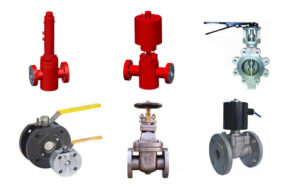
- Ball Valves: Quick to operate and highly durable under high pressure and large flow rates. These are ideal for industrial systems demanding frequent adjustments.
- Needle Valves: Suitable for precision tasks like laboratory setups or small-scale gas flow control.
- Butterfly Valves: Lightweight and compact, these are often used in large pipelines, such as municipal water supply systems.
- Globe Valves: Known for excellent throttling capabilities, these are commonly applied in high-precision industrial processes.
Key Technical Parameters to Consider
Selecting a valve that meets system requirements ensures both performance and cost-efficiency. Consider these factors when making a bulk purchase:
- Flow Range: Ensure the valve can handle the desired flow rates. For instance, models from trusted suppliers like BESQO Marine offer options ranging from 030L/min to 0114L/min.
- Nominal Pressure: Choose a valve that withstands system pressures without safety risks—some models can handle up to 210 bar.
- Connection Size: Verify the connection type, such as NPT threads or flanged connections, to ensure compatibility with your piping system.
Tips for Selecting the Best Flow Control Valve for Wholesale or Supply
When purchasing flow control solutions in bulk, prioritize these factors:
- Application Needs: Consider fluid type, operating temperature, and required precision.
- Valve Type: Choose based on the nature of adjustments. For quick regulation, ball valves work best; for high accuracy, opt for needle valves.
- Supplier Reliability: Work with reputable suppliers offering wholesale options and reliable after-sales service.
- Cost-Effectiveness: While premium valves may have a higher price, their long-term performance can reduce replacement costs and downtime.
Maintenance Best Practices
To maximize the performance of your valves:
- Routine Inspections: Regularly clean and check for wear or blockages.
- Seal Integrity: Replace seals as needed to avoid leaks.
- Lubrication: Apply lubrication to moving parts like stems to reduce wear.
Future Innovations in Flow Control Valve Technology
As industrial demands evolve, so does valve technology. Innovations include:
- Smart Automation: Advanced systems now feature sensors for real-time adjustments, optimizing flow with minimal manual intervention.
- Eco-Friendly Materials: New designs focus on energy efficiency and sustainability.
- Higher Precision Models: Future valves promise unmatched precision for fields like biomedicine and aerospace.
Conclusion
Whether managing industrial-scale fluid systems or optimizing processes in high-tech industries, flow control valves remain indispensable. For businesses seeking cost-effective bulk purchasing, BESQO Marine provides high-quality solutions designed to meet diverse application needs. Partner with a trusted supplier to ensure consistent system performance and long-term savings.
Explore our range of industrial valves today and elevate your production efficiency.