
Submersible pumps are widely used in various industries for underwater operations, known for their efficiency, energy-saving design, and eco-friendly features. These pumps have become indispensable tools in industrial and agricultural water management, offering reliable solutions in diverse applications. In this article, we will delve into the working principle, applications, and market trends of submersible pumping systems, while highlighting their increasing popularity and technological advancements.
Working Principle
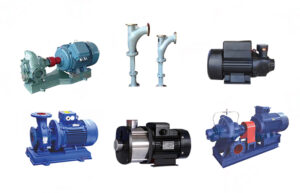
A submersible pump consists of two primary components: the motor and the pump, connected via a cylindrical coupling. The motor is typically an oil- or water-filled, vertical well-type asynchronous motor, featuring water-resistant electromagnetic wire. To ensure smooth operation, the motor cavity is filled with clean water. The pump itself is a single-suction, multi-stage centrifugal pump.
When the system operates, the impeller rotates rapidly, causing the liquid to move along with the blades. Centrifugal force then ejects the liquid, creating a low-pressure zone that allows continuous suction and discharge. This mechanism ensures smooth and reliable performance, even in challenging underwater environments, making it perfect for dewatering and pressure boosting applications.
Application Scenarios
Submersible pumps are highly versatile and used across various industries. Key applications include:
- Agricultural Irrigation: Submersible pumps are vital for meeting irrigation and water supply needs, helping improve crop yields and reduce water waste.
- Industrial Use: In mining, oilfields, and power plants, submersible systems are used to manage groundwater levels and regulate pressure, ensuring smooth operations in demanding environments.
- Water and Wastewater Management: In water treatment plants and sewage facilities, submersible pumps play an essential role in transporting and processing water, maintaining clean environments and preserving vital resources.
Market and Technological Development
The global market for submersible pumps exceeded $10.55 billion in 2023 and is projected to reach $21.16 billion by 2036, with a compound annual growth rate (CAGR) of 5.5%. This growth is driven by infrastructure development and continuous technological improvements in submersible pump technology.
The integration of IoT (Internet of Things) technology is transforming this market. IoT enables automated monitoring, real-time data analysis, and predictive maintenance, enhancing the efficiency and reliability of deep well pumps. These smart features minimize downtime and prevent operational disruptions, ensuring consistent performance. IoT capabilities enable operators to monitor real-time insights, allowing for proactive maintenance and extended equipment life.
User-Friendliness and Maintenance
Design improvements focus on simplifying user interaction and maintenance. For instance, the QJ series submersible systems are designed with durable shaft seals that prevent contamination between the motor’s cooling fluid and the pumped medium, ensuring safe and reliable operation.
Routine maintenance involves straightforward checks, including monitoring voltage, outlet pressure, water levels, and motor insulation resistance. These features, combined with robust construction, make submersible pumps an attractive option for both agricultural irrigation and industrial operations.
Conclusion
With their high-efficiency operation, broad application range, and continuous technological advancements, submersible pumps have become critical in industries ranging from agriculture to wastewater management. As technology evolves, these systems will only improve in terms of performance and ease of use, supporting better global water resource management.
For reliable, high-performance submersible pumping systems tailored to your specific needs, contact BESQO Marine today.