
In modern industry, oil pumps are essential components, playing a critical role in hydraulic systems. With continuous technological advancements, the design and performance of oil pumps are improving to meet higher efficiency and reliability demands. This article delves into the importance of oil pumps, types, selection criteria, and maintenance tips to help you choose the right oil pump for boosting your industrial efficiency.
What is An Oil Pump?
An oil pump is a crucial part of a car’s engine that ensures the circulation of engine oil to lubricate its moving components. Positioned within the engine, it operates using the crankshaft’s motion to maintain proper oil flow. This pump is essential for protecting the engine from wear and overheating, contributing to its overall efficiency and lifespan. Understanding the role of the oil pump helps ensure your engine remains in peak condition!
Importance of Oil Pumps
Oil pumps serve as the power source for hydraulic systems, responsible for converting mechanical energy from the prime mover into hydraulic pressure. They are widely used in automotive, aerospace, construction, agriculture, and industrial machinery sectors. An efficient oil pump ensures stable system operation, reduces energy consumption, and enhances production efficiency. If you’re looking to buy oil pumps, understanding their importance is key.
Main Types of Oil Pumps and Their Characteristics
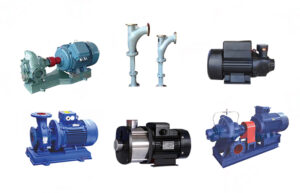
- Gear Pumps: These pumps move liquid through two intermeshing gears. They have a simple structure and are cost-effective, suitable for low- and medium-pressure systems. However, they may have higher leakage rates due to gaps between gears.
- Vane Pumps: Vane pumps use rotating vanes to move liquid, situated between a rotating rotor and a fixed casing. They operate smoothly and quietly, suitable for medium- to high-pressure systems, with higher volumetric efficiency but relatively higher manufacturing costs.
- Piston Pumps: Piston pumps move liquid through the reciprocating motion of a piston in a cylinder. They have high volumetric efficiency and low leakage, making them ideal for high-pressure and high-flow applications. However, their complex structure and higher costs mean they are typically used where high pressure and large flow are needed.
Each type of oil pump has unique advantages and suitable applications, making the selection of the right pump crucial for ensuring optimal system performance.
Selecting the Right Types of Oil Pump
When choosing an oil pump, consider the following key factors:
- Operating Pressure: Ensure the pump can withstand the system’s maximum operating pressure.
- Flow Requirements: Select a pump that meets the flow needs of the system.
- Efficiency: A high-efficiency pump reduces energy consumption and operating costs.
- Durability: Choose a durable pump to minimize maintenance costs and downtime.
- Compatibility: Ensure the pump is compatible with other system components, such as tanks, pipes, and control valves.
Each type has unique advantages, making it crucial to select the right pump for optimal system performance. Consider options like high-pressure oil pumps for demanding applications.
Maintenance and Care of Oil Pumps
Regular maintenance and care are crucial for extending the lifespan of oil pumps and maintaining optimal performance. This includes:
- Regular Inspections: Check the pump seals and wear to ensure no leaks or damage.
- Cleaning: Keep the pump clean to prevent contaminants from entering the system, which can cause premature wear or failure.
- Lubrication: Ensure all moving parts of the pump are properly lubricated to reduce friction and wear.
- Drive Unit Checks: Inspect the pump’s drive unit to ensure it operates correctly, whether it’s an electric motor or engine.
- Replacing Worn Parts: Timely replacement of worn parts, such as seals, bearings, and pistons, prevents further damage.
Consider following oil pump maintenance tips for longevity.
Applications of Oil Pump
Oil pumps are widely used across multiple fields and industries. Here are some key application scenarios:
Automotive Industry
In the automotive sector, oil pumps play a crucial role, especially in engine lubrication systems. For example, electric fuel pumps in vehicles draw fuel from the tank, filter it through the fuel filter, and deliver it to the fuel rail, where it is distributed to the injectors. Port Fuel Injection (PFI) engines typically require only a low-pressure pump, while Gasoline Direct Injection (GDI) engines need both low-pressure and high-pressure pumps for optimal fuel atomization.
Hydraulic Systems
Oil pumps serve as power units in hydraulic systems, converting mechanical energy into hydraulic pressure to power various operations. Common types of hydraulic pumps include gear pumps, vane pumps, and piston pumps. These systems control fluid pressure, flow, and direction to drive actuators like hydraulic cylinders and motors, enabling diverse mechanical movements.
Lubrication Systems
In automatic lubrication systems, oil pumps transport lubricants from reservoirs to various lubrication points within machinery, ensuring adequate lubrication. This reduces friction and wear, enhancing the lifespan and reliability of equipment.
Fuel Systems
Oil pumps are essential in fuel systems, responsible for transporting fuel from the tank to the engine, ensuring stable operation. The layout of the fuel system significantly impacts performance; a well-designed system enhances both safety and efficiency.
Industrial Applications
In industrial settings, oil pumps transport various oils, including heavy oil, diesel, and lubricants. They are suitable for liquids of varying viscosities, with some designed to handle fluids containing hard particles or fibers. Oil pumps find extensive use in sectors such as oil and gas, chemicals, shipping, power generation, food processing, and construction.
Energy Industry
In the oil and gas industry, oil pumps are crucial for extracting crude oil, injecting water for secondary recovery, and circulating fluids during refining processes. They are vital for maintaining production and transportation in the energy sector.
Other Applications
Oil pumps are also utilized in machine tools, automation equipment, construction machinery, agricultural and forestry equipment, mining, cement industries, food and beverage production, rail applications, steel manufacturing, pulp and paper industries, and even wind energy.
Trends in Oil Pump Technology
With the advancement of industrial automation and smart technologies, oil pump technology is continually evolving. Notable trends include:
- Electric Oil Pumps: Gaining popularity due to their high efficiency and low energy consumption, especially with the rise of electric and hybrid vehicles.
- Smart Oil Pumps: These pumps integrate sensors and control systems for real-time performance monitoring and adjustment to adapt to changing operating conditions.
- Material Innovations: Using more wear-resistant and corrosion-resistant materials improves pump durability and reliability.
- Design Optimization: Computer-aided design (CAD) and computational fluid dynamics (CFD) simulations optimize pump designs to enhance efficiency and reduce leakage.
Conclusion
Oil pumps are vital in modern industries, directly impacting efficiency and reliability. By selecting the right oil pump and maintaining it properly, you can significantly improve production efficiency and reduce costs. If you’re in the market for a diesel oil pump for sale or seeking electric oil pump reviews, understanding the types and maintenance will help you make the best choice. With ongoing technological advancements, optimizing oil pump designs will meet the higher performance requirements of tomorrow.